Why Most Project Plans Fail – And How Realistic Planning Changes Everything
Planning is often underestimated in business. It is treated as a personal habit rather than a strategic capability.
However, research in behavioral science and project management shows a strong connection between planning skills and productivity. Organizations that implement structured, time-based planning consistently achieve better project performance, improved resource allocation, and higher team efficiency.
The Hidden Problem with Traditional Project Planning
In reality, however, most project management plans fail.
Why?
Because traditional planning methods are based on assumptions, not on actual execution conditions. Teams create plans in isolation from real constraints — ignoring workload, availability, and competing priorities.
The result is a plan that works in theory but collapses during execution.
The Gap Between “Paper Plans” and Real Work
Does the team actually have the capacity to deliver this plan?This is where the gap appears.
A “paper plan” assumes:
- unlimited availability
- uninterrupted execution
- perfectly estimated task durations
- overlapping projects
- meetings and interruptions
- changing priorities
- limited working hours
Why Projects Fall Behind Schedule
The Shift: From Static Plans to Realistic Project Planning
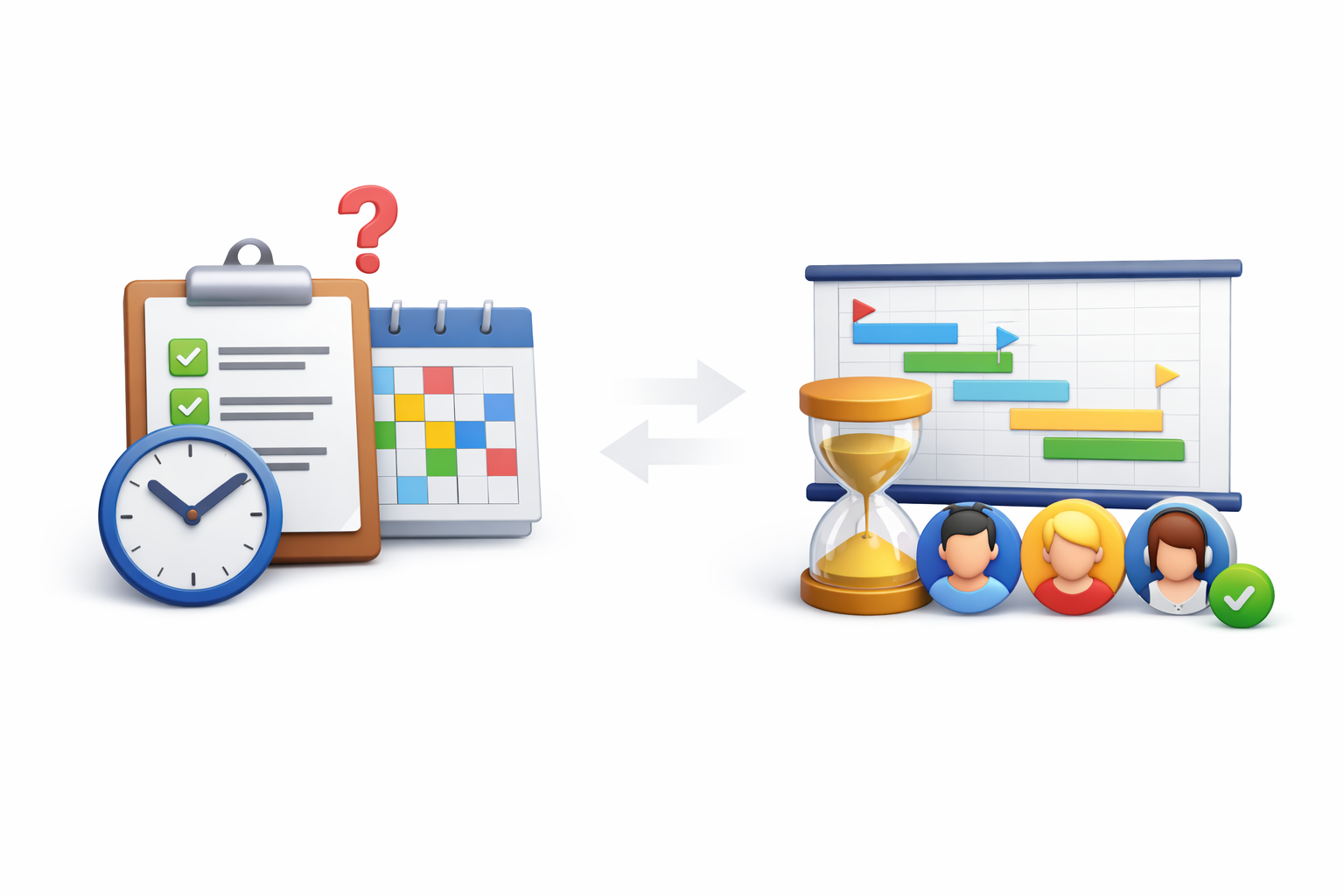
What Realistic Planning Looks Like in Practice
Real-Time Resource Management
Every task is planned based on actual team capacity — not assumptions. This turns resource management into a core part of the planning process.
Dynamic Project Scheduling
Project timelines adjust based on workload, priorities, and availability. This creates a living project timeline, not a static one.
Full Workflow Visibility
Teams gain complete visibility into:
- task execution
- delays and deviations
- workload distribution
Where IQPlanner Fits In
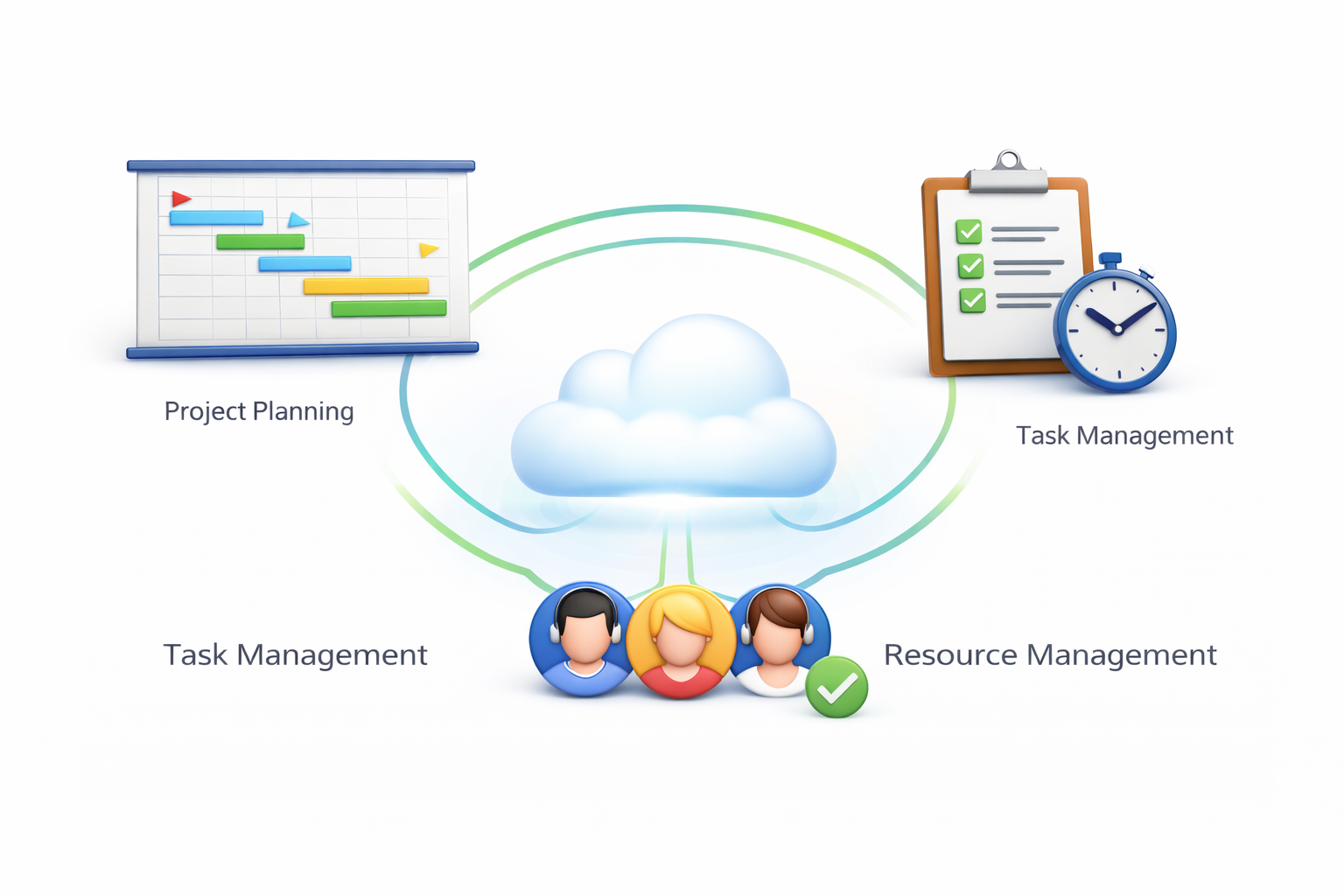
IQPlanner is a modern project management software designed to align planning with real execution. Instead of relying on static timelines, it builds project plans based on actual team availability, workload, and time capacity.
By integrating directly with CRM systems like Bitrix24, IQPlanner connects:
- sales
- project planning
- execution
- client communication
With features such as:
- real-time workload visibility
- project timeline tracking
- resource planning
- time-based project budgeting
Planning Skills as a Core Project Management Competency
High-performing teams rely on:
- workload visibility,
- resource allocation control,
- project timeline transparency,
- capacity-based scheduling,
- planned vs actual analysis.
Final Thoughts
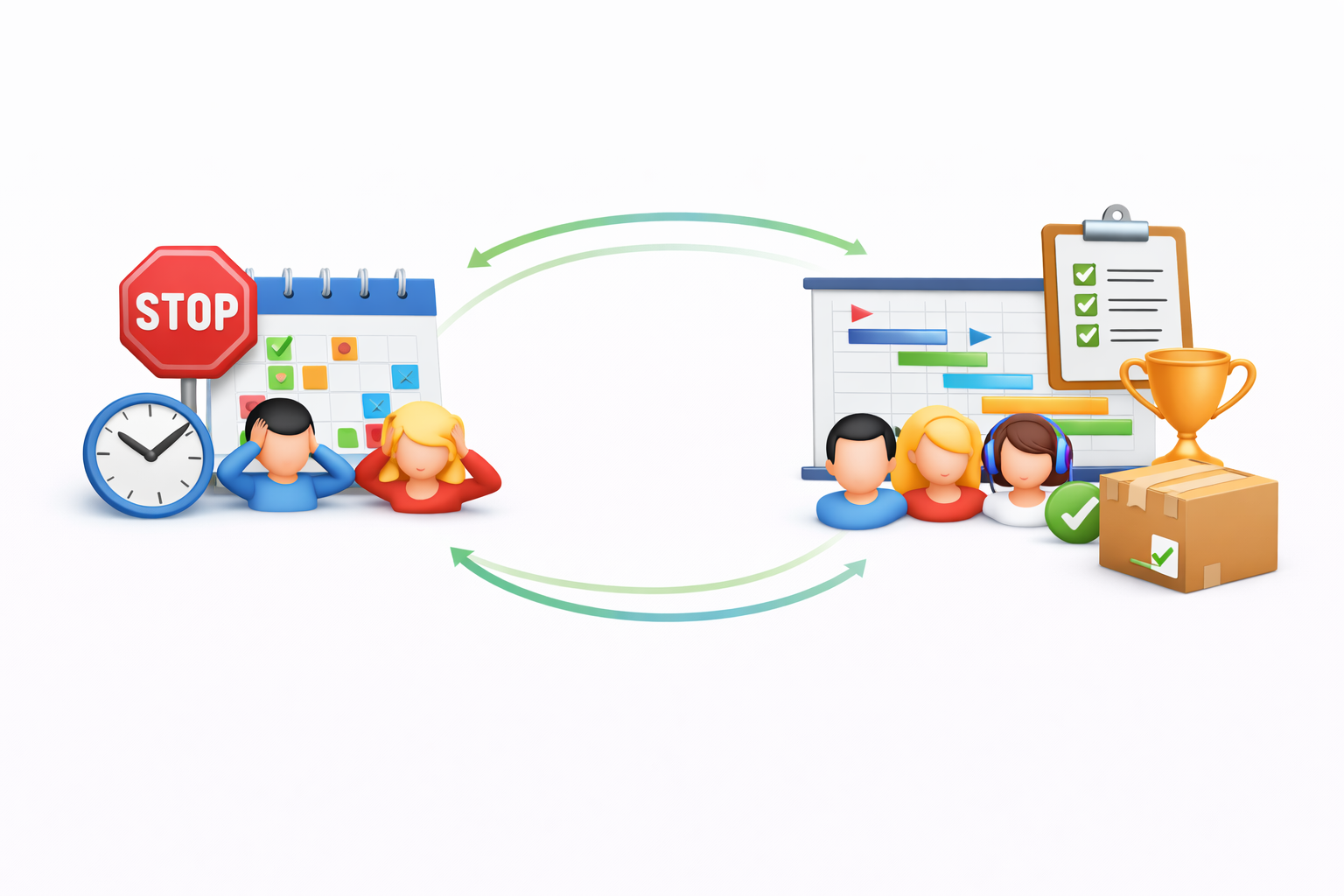
The future of project management belongs to teams that plan based on reality, not assumptions.
And once you make that shift, everything changes.

 .
.