Czytaj po Polsku

Procurement Management – How to Streamline Your Process and Avoid Costly Mistakes

Discover the most common procurement challenges and learn how a well-structured procurement process can reduce costs, improve product availability, and increase operational efficiency across your organization.
Book a Free Consultation

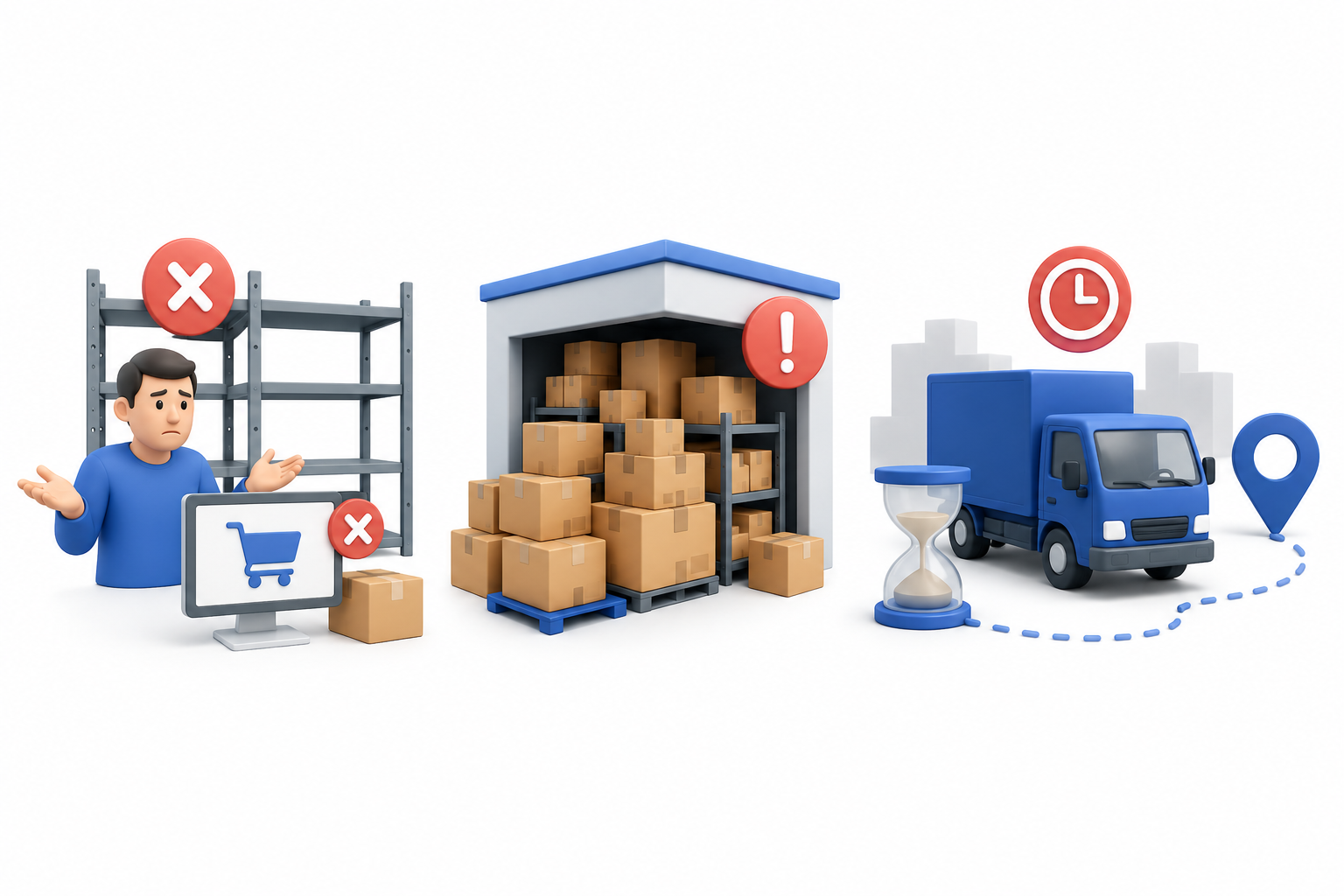
Stock Shortages, Excess Inventory, and Delayed Deliveries?

Are products unavailable when customers are ready to place an order? Is your warehouse filled with slow-moving inventory? Or is your procurement team spending too much time gathering information from your ERP system, Excel spreadsheets, and countless emails?

What Is Procurement Management?

Procurement management is the process of planning, executing, and controlling purchasing activities within an organization. Its primary objective is to ensure product availability while minimizing costs and maintaining optimal inventory levels.
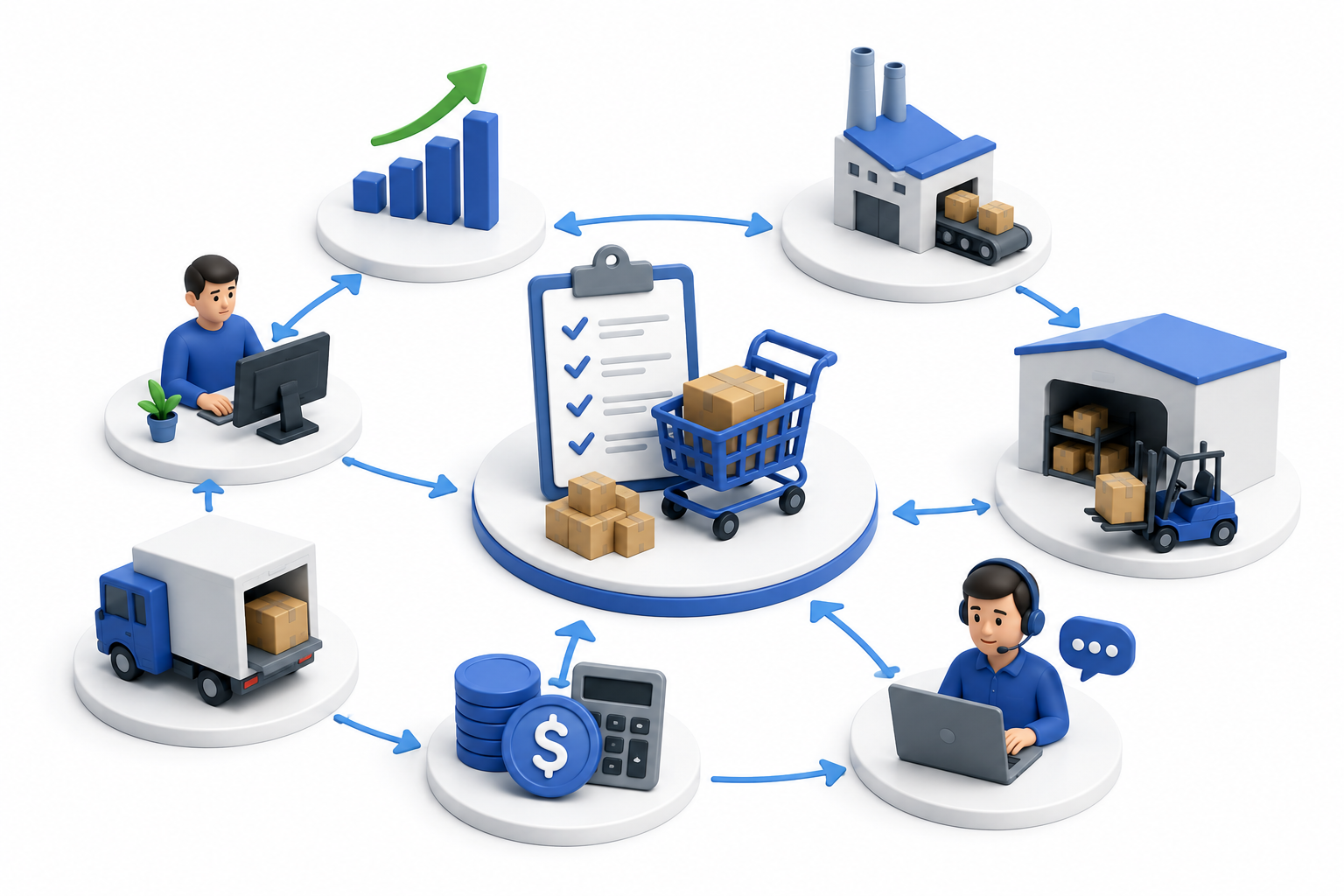
A well-managed procurement process benefits far more than the purchasing department. It has a direct impact on sales, production, warehouse operations, customer service, and the company's overall financial performance.

Common Procurement Management Challenges

Information About Deliveries Is Scattered

Order status is stored in the ERP system, delivery dates are buried in emails, and supplier agreements are scattered across notes or phone conversations.

Products Are Out of Stock When Orders Arrive

Customers have to wait for their orders, while sales representatives are left explaining delivery delays.

Excess Inventory and Tied-Up Capital

Poor purchasing decisions increase inventory value, tie up working capital, and raise storage costs.

Limited Visibility Into Delivery Status

Without real-time information about order status, delivery schedules, and potential delays, planning sales, production, and customer service becomes increasingly difficult.

Time-Consuming Procurement Processes

Procurement teams manually analyze inventory levels, prepare purchase orders, communicate with suppliers, and track deliveries through repetitive manual tasks.

Difficulty Calculating the True Cost of Procurement

Transportation, customs duties, and logistics costs are not properly allocated to individual products, making it difficult to accurately calculate margins and purchase costs.

Why Is It Worth Optimizing Procurement Management?

A well-designed procurement process delivers benefits across the entire organization.

Greater product availability
Fewer stock shortages
Optimized inventory levels
Faster purchase order preparation
Complete visibility into deliveries
Better collaboration between departments
Lower operating costs
Increased employee productivity and time savings

What Is the Real Cost of Inefficient Procurement Management?
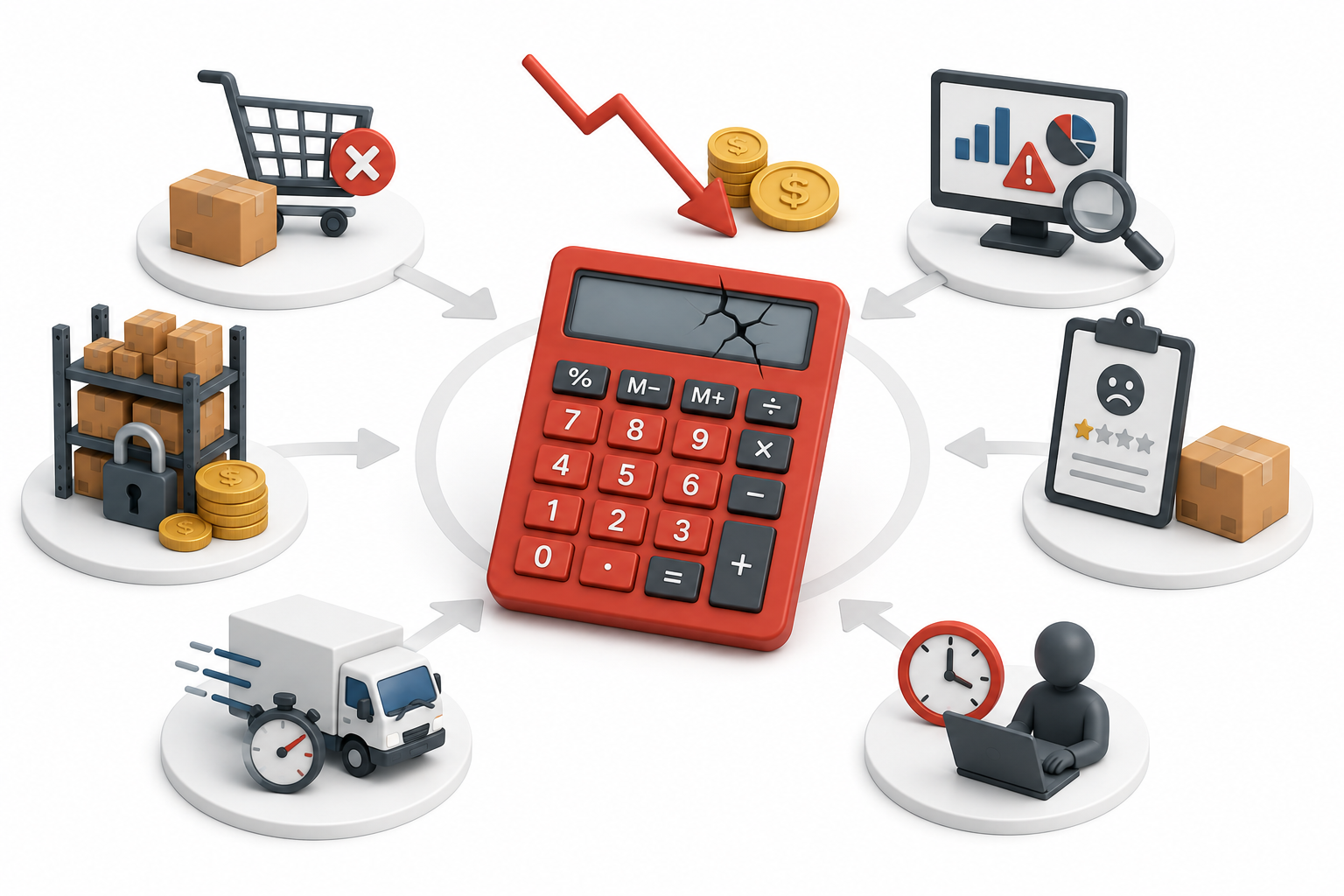
The cost of poor procurement goes far beyond a single incorrect purchase order.
It can lead to:

  • Lost sales due to product shortages
  • Working capital tied up in excess inventory
  • Additional costs for expedited deliveries
  • Poor decisions caused by outdated or incomplete data
  • More customer complaints and delivery delays
  • Valuable employee time wasted on repetitive manual tasks
In practice, this results in higher operating costs, lower profitability, and a poorer customer experience.

How Can You Improve Procurement Management?

The first step is to organize your procurement process and ensure that every department has access to the same accurate, up-to-date information.
More and more companies are also adopting solutions that automate demand analysis, procurement planning, delivery tracking, and supplier collaboration. This allows employees to focus on making informed business decisions instead of spending time on repetitive administrative tasks.
Based on INOQ's calculations, companies that automate procurement and supply management achieve significant annual time savings across procurement, warehousing, logistics, and sales teams.

Company 

Size

  • Up to 20
  • Around 100 employees 
  • 250+ employees
Project Procurement
  • EUR 10,100/year 
  • EUR 20,200/year 
  • EUR 33,600/year 
Manufacturing & Assembly
  • EUR 15,100/year
  • EUR 30,200/year 
  • EUR 47,000/year
Wholesale & Distribution
  • EUR 20,200/year
  • EUR 40,300/YEAR
  • EUR 60,500/YEAR
The actual business value is typically much higher thanks to reduced stock shortages, better utilization of working capital, improved product availability, fewer operational errors, and more effective collaboration between departments.

Looking for a Procurement Management Solution?

If you want to streamline your procurement process, reduce manual work, and gain better control over your supply chain, it's worth choosing a solution designed specifically for procurement management.
IQ.Supply is INOQ's proprietary procurement management platform, fully integrated with Bitrix24. It supports the entire procurement process—from demand analysis and procurement planning to supplier communication, delivery tracking, and product availability management.


Discover IQ.Supply and see how you can improve procurement management by leveraging data from your existing ERP system.

Frequently Asked Questions

What is procurement management?
Procurement management is the process of planning, executing, and controlling purchasing activities to ensure a reliable supply of goods while maintaining optimal costs.
What are the most common procurement management challenges?
The most common challenges include stock shortages, excess inventory, fragmented information, and time-consuming manual processes.
How does procurement management impact sales
A well-managed procurement process improves product availability, reduces order fulfillment delays, and helps deliver a better customer experience.

See What Procurement Management Could Look Like in Your Business.

Book a Free Consultation